Why UK Immigration Documents Need Certified Translators
- August 23, 2026· Article by Taylor Anderson
- certified translation UK
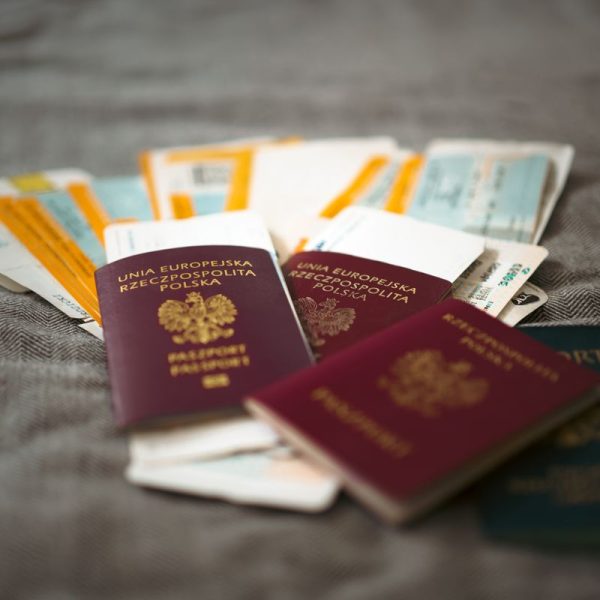
A Polish national applying for settled status in Manchester submitted a translated employment history that a caseworker rejected outright because the translator had no accreditation recognised by the Home Office for official immigration submissions.
Why Immigration Documents Demand Real Accreditation
UK immigration and visa applications leave almost no room for translation shortcuts. A document translated by an unaccredited provider can be rejected outright regardless of how accurate the actual language conversion happens to be on the page.
Applicants often discover this rule only after a submission bounces back weeks into a process with a hard deadline attached. That delay can affect employment status housing or family reunification timelines in ways that are entirely avoidable with proper preparation.
Choosing A Provider Recognised By UK Authorities
Applicants and employers preparing documents for UK Home Office submissions increasingly rely on dedicated polish translation services that meet the certification standards immigration caseworkers actually expect to see attached to every submitted document.
A provider without this accreditation can produce a translation that reads perfectly yet still fails at the administrative stage simply because it lacks the formal certification statement that UK authorities require for acceptance.
Why Russian Speaking Communities Face Their Own Challenges
Russian speaking residents across the UK often need documents translated for university admissions employment verification or family court proceedings where a generic translation service simply will not meet the formal standard required.
Firms serious about serving this community increasingly commission dedicated translation services russian providers who understand both the linguistic nuance and the specific certification format UK institutions expect from every submission.
What Separates A Reliable Provider From A Risky One
A reliable translation provider understands exactly which UK institutions require which certification format and prepares documents accordingly rather than applying one generic translation approach to every single request that comes through the door.
A risky provider treats every document the same way regardless of destination. This approach might work for informal purposes but consistently fails when a document needs to satisfy strict administrative or legal requirements.
Building A Selection Process That Protects Applicants
Individuals and businesses evaluating a translation provider should verify accreditation directly rather than trusting marketing claims alone. Professional bodies maintain public registers that confirm whether a translator holds genuine recognised qualifications.
Requesting a sample certified translation before committing to a full project reveals whether a provider actually understands formatting requirements. Providers confident in their credentials rarely hesitate to demonstrate this upfront.
The Hidden Cost Of Choosing An Uncertified Translator
Applicants who choose an uncertified translator purely to save money often discover the true cost later when a rejected submission forces a complete restart under a much tighter and more stressful deadline than the original timeline allowed.
The cheapest option rarely stays cheapest once an applicant accounts for the delay stress and potential loss of a critical deadline that a properly certified translation would have avoided entirely from the very beginning.
Questions Worth Asking Before Choosing A Translator
A few pointed questions reveal more than a polished website ever could. Is the translator accredited by a recognised professional body. Does the certification statement meet the specific format required by the receiving institution. Can previous successful submissions be referenced.
Providers who answer these questions directly and quickly tend to be the ones who have already built a reliable process around genuine official document work rather than general translation requests.
Preparing Documents Before Submission Deadlines
Applicants who gather every required document well ahead of a submission deadline give their translation provider enough lead time to produce accurate certified work rather than rushing through a project under unnecessary last minute pressure.
UK immigration documents need certified translators because the caseworker has no way to verify the original themselves. New York applicants face the identical constraint, which is why spanish legal translation is bought on accreditation rather than price. The certificate is what makes the document usable.
Immigration documents are checked against a rigid standard, and certified translators exist precisely because that standard leaves no room for interpretation. Commercial content is judged by a different measure entirely, namely whether it persuades. That is why marketing translation is a separate discipline rather than a softer version of certified work.
Immigration paperwork is a recurring cost for founders as well as employees. Anyone building a company while on a visa spends a surprising amount of time assembling certified documents. That administrative overhead is rarely mentioned in discussions of entrepreneurship, though it shapes who can realistically start a business abroad.
A short planning conversation with the provider early in the process often reveals additional requirements that would otherwise surface too late to address without risking the entire submission timeline.
Understanding Regional Variation Within A Single Language
Even within one language significant regional variation can affect how a document should be phrased. A translator familiar with UK administrative conventions produces work that reads naturally to the institution reviewing the submission.
Providers who understand both the source culture and UK institutional expectations bridge this gap far more effectively than a translator working purely from a dictionary without genuine familiarity with either side of the process.
A Careful Approach Pays Off More Than A Rushed One
Applicants and businesses planning any formal submission should treat translator selection as a genuine decision rather than a quick task handled by whoever appears first in an online search with the lowest advertised price.
Getting this right from the start saves enormous stress later once a submission depends entirely on documentation that must be accepted the first time without triggering a costly and time consuming resubmission process.
Training Applicants To Prepare Stronger Submissions
Many applicants underestimate how much preparation a certified translation actually requires. Gathering original documents in full checking that names match exactly across records and confirming which format each institution expects all prevent last minute complications.
The documents themselves are usually the same handful. Birth marriage divorce and death certificates are the civil status records PoliLingua translates for official use and each one carries names and dates that have to match the rest of a submission exactly. A married name on one certificate and a maiden name on another is enough to stall an application. Checking the set against each other before anything is translated avoids a rejection that has nothing to do with the translation itself.
A short conversation with an experienced provider early in the process often surfaces small details that would otherwise cause a rejection weeks later once the submission has already reached the reviewing institution.
Written documents are only half of an immigration journey, because many applicants also face interviews, appointments and hearings where they must speak for themselves. Having access to professional interpreting services at those moments ensures that answers are understood exactly as intended and that officials' questions are not missed through nerves or unfamiliar phrasing. Preparation that covers both the paperwork and the spoken stages gives an application a far better chance of being judged on its merits. It also reduces the stress that leads to avoidable mistakes on the day.
Learning From Common Rejection Patterns
Providers who handle high volumes of official submissions notice recurring rejection patterns that individual applicants rarely encounter more than once. Mismatched names missing certification statements and incorrect formatting account for most avoidable delays.
Applicants who work with a provider familiar with these patterns benefit from guidance that prevents mistakes before submission rather than learning about them only after a costly rejection notice arrives.